95%
of Americans don’t get enough fibre.
Fibre keeps you full, keeps you regular and feeds your gut. It’s only found in plants, and variety is the easiest way to get more.
Quagliani & Felt-Gunderson, Am J Lifestyle Med, 2017.
Your gut loves variety
Snap your meals and Hue counts every different plant you eat, from fruit and veg to beans, grains, nuts and herbs. Watch your week fill with colour.
For iPhone and iPad. Start with a free trial.
The variety gap
Same breakfast. Same lunch. Same weekly shop. It isn’t about eating less. It’s about eating more different.
5different plants
a typical week















Why variety matters
Most health advice tells you what to cut out. Variety is about adding more in, and the research behind it is strong.
95%
Fibre keeps you full, keeps you regular and feeds your gut. It’s only found in plants, and variety is the easiest way to get more.
Quagliani & Felt-Gunderson, Am J Lifestyle Med, 2017.
15–30%
That’s the gap between people who ate the most fibre and the least, across 185 studies. Few everyday habits are linked with so much.
Reynolds et al., The Lancet, 2019.
Trillions
They help digest your food and shape your immune system. Each plant feeds a different group, so the more variety you eat, the more of them thrive.
9 in 10
Most of us know we should. Hue makes it easy to actually do it, one photo at a time.
CDC, MMWR, 2017.
No single superfood has it all. Each plant brings its own mix of fibres, vitamins and natural plant compounds, so variety is how you get the whole mix.
Why 30
In the American Gut Project, people who ate 30 or more different plants a week had a more varied gut microbiome than people who ate 10 or fewer.
McDonald et al., mSystems, 2018.
Even a pinch of cinnamon counts.
How it works
Take a photo or choose one from your camera roll. Tap Find ingredients and Hue spots the plants. No weighing, no barcodes.
Hue shows you what it spotted. Keep what you ate, add anything extra, then save your meal.
Your weekly count climbs towards 30, and every new plant unlocks a card in your collection.
Your photo is only sent for suggestions when you tap Find ingredients. Hue saves the plants you confirm, not the photo.
Collect them all
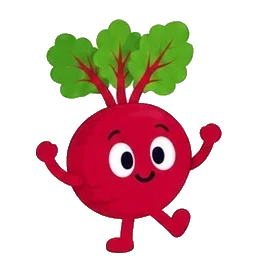
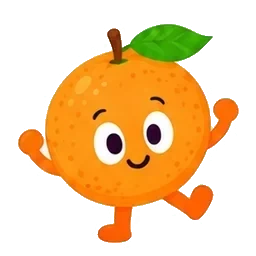
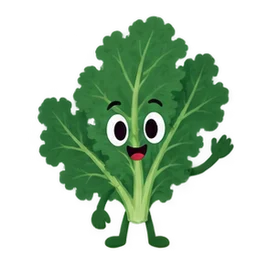
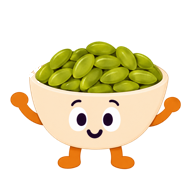
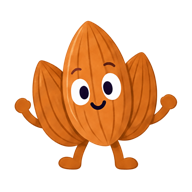
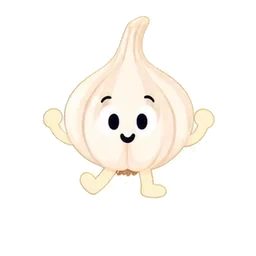
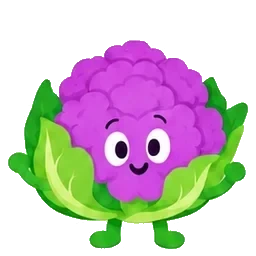
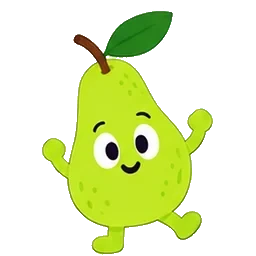
Fill your collection with familiar favourites, then hunt down the rare ones. The more different plants you eat, the bigger it grows.
For the whole family
Give each person their own goal and collection. Log a shared dinner once, choose who ate it, and everyone’s week moves forward.
New for Mia!Purple cauliflowerHer 19th plant this weekTry it
Tap the plants you’d eat this week and watch your count climb. Every different plant counts once.
Tap the plants you’d eat this week
Each different plant adds one to your week.
What it means for you
Hue suggests one plant to try next, matched to what you already eat.
Your week fills with colour, so you always know where you stand.
Collecting characters turns “just one bite” into a game.
No calories, no forbidden foods. Just more different plants.
No. Hue counts the different plants you eat. Amounts are optional.
In the American Gut Project (2018), people who ate 30 or more different plants a week had a more varied gut microbiome than people who ate 10 or fewer. Each plant brings its own mix of fibres and natural plant compounds, and these feed different friendly bacteria in your gut. A more varied gut microbiome is linked with better digestion and overall health, so variety is one of the simplest things you can add to the way you eat. Hue makes 30 a week your target and helps you build up to it, one meal at a time.
No. Use Hue alongside the way you already eat. It counts the fruit, vegetables, beans, whole grains, nuts, seeds, herbs, spices, mushrooms and sea vegetables in your meals.
Snap your meal and Hue spots the plants in it. Keep what you ate, add anything extra, and save.
Yes! Add a profile for each person, each with their own goal and plant collection. Log a shared meal once for everyone who ate it.
Hue is a membership with a free trial to start. You’ll see the monthly and yearly prices in the app before you begin, and you can cancel anytime in your Apple account settings.
Yes. Set a goal that suits you, change it anytime, or start with an observation week to see what you already eat.
For iPhone and iPad. Start with a free trial.
 Dulse✦ Rare